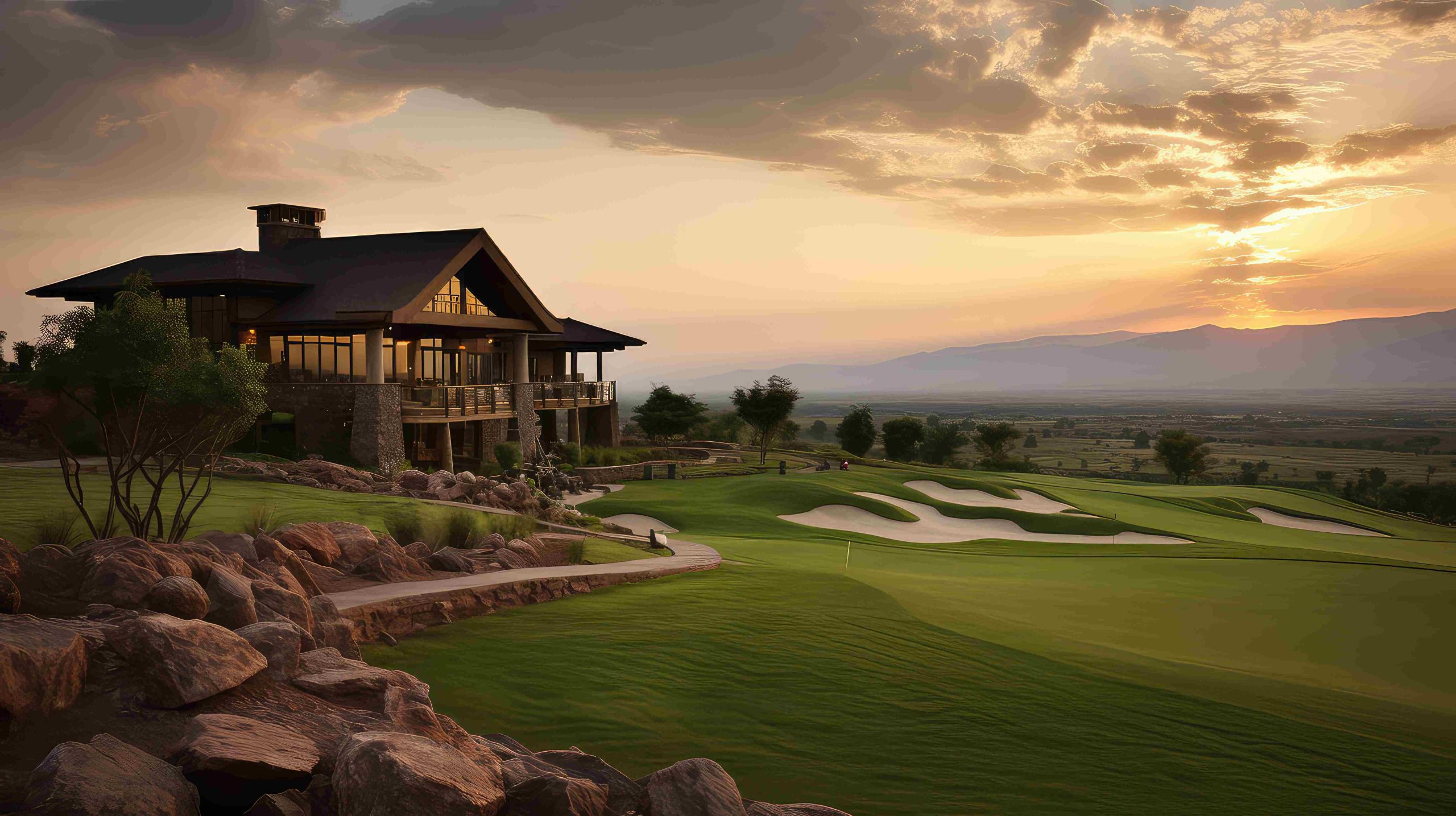
As Delhi NCR continues to grapple with increasing urban density and deteriorating air quality, the appeal of second homes as a tranquil retreat is witnessing a steady rise. With densely packed urban centers like Delhi and Gurugram facing challenges such as congested traffic, pollution, and limited green spaces, the promise of a serene, well-connected getaway is drawing considerable attention from urban dwellers seeking a healthier lifestyle coupled with long-term investment potential.
A Shift in Urban Living Trends
The relentless expansion of Delhi NCR has led to a scenario where quality of life is increasingly compromised by environmental factors such as high AQI levels and the loss of open, green spaces. Urban residents are now looking beyond the concrete jungle for a more relaxed lifestyle that encourages wellness and offers a breath of fresh air. This shift in preferences is spurring interest in properties located on the outskirts of major cities, where the charm of nature and modern connectivity converge.
The Delhi Mumbai Expressway Advantage
The development of the Delhi Mumbai Expressway is a game-changer in this context. By significantly cutting down travel times, this expressway not only enhances connectivity between major economic hubs but also opens up new opportunities for second-home investments. A mere 75 to 90-minute drive from Delhi and Gurugram, regions along this corridor boast bountiful lands characterized by rich soil, agricultural potential, and proximity to the scenic foothills of the Aravalis. This location offers a perfect blend of accessibility and rural charm—a crucial factor driving second-home demand.
Land Features and Investment Potential
The lands along this emerging corridor are not just vast; they come with a host of attractive features. The fertile agricultural zones are ideal for orchards, organic farming, and potentially other agri-tourism ventures. Such properties promise not only a serene retreat but also the possibility of generating substantial returns on investment over the mid to long term. As urban centers continue their upward trajectory in terms of population and commercial activity, these lands stand at the cusp of a transformation, transitioning from mere vacation homes to potential primary residences or dual-purpose investments.
Investors and homeowners alike can expect high dividends from these investments, driven by the twin advantages of future residential demand and the rising importance of sustainable, eco-friendly living spaces. The natural beauty and ecological benefits of these areas further enhance the land’s intrinsic value—making it a savvy long-term investment in an era where quality of life and environmental sustainability are increasingly prioritized.
Looking Ahead
In the current urban landscape, where pollution and high-density living are significant concerns, the prospects for second homes in the Delhi NCR region are undeniably promising. The strategic development of the Delhi Mumbai Expressway, paired with the vast expanses of agriculturally fertile land near the Aravalis, presents a unique opportunity for urban residents to invest in a healthier, more sustainable lifestyle. As these areas evolve, the potential for value appreciation and enhanced quality of life makes them a compelling choice for both personal retreats and long-term real estate portfolios.
Ultimately, the second-home market along this corridor is set to redefine urban escapes, blending easy connectivity with rural serenity—a harmonious convergence that could very well yield significant dividends as urban challenges continue to mount.